
Selling a dermatology practice is not only a clinical and operational decision. It is also a financial presentation. Buyers want to understand how your practice earns revenue, where expenses are going, how stable cash flow is, and whether future performance can be reasonably projected. As a professional business broker specializing in medical practice sales, I can say that well-prepared financial records often separate a smooth, competitive transaction from one filled with delays, renegotiations, and buyer uncertainty.
Before listing your dermatology practice, your financial records should tell a clear, organized, and credible story. Here is how to prepare them.
Start With Three to Five Years of Financial Statements
Most serious buyers will want to review at least three years of financial statements, and many lenders will request the same. If available, five years can provide an even stronger picture of long-term trends.
Prepare the following:
Profit and loss statements
Balance sheets
Tax returns
Year-to-date financials
Accounts receivable reports
Production and collection reports
Payroll summaries
Your profit and loss statements should be consistent with your tax returns. If they are not, be ready to explain why. Differences are not always a problem, but unexplained inconsistencies can make buyers nervous.
For dermatology practices, buyers will pay close attention to revenue sources. Medical dermatology, cosmetic services, pathology, retail skincare products, laser treatments, injectables, and surgical procedures may all carry different margins and growth potential. Separating these categories clearly can help buyers understand the true value of your practice.
Clean Up Your Profit and Loss Statement
A clean profit and loss statement is one of the most important tools in a practice sale. It should show the actual earning power of the business without confusion from personal, unusual, or one-time expenses.
Many practice owners run certain discretionary expenses through the business. These may include personal vehicle costs, family payroll, travel, meals, continuing education trips, personal insurance, or owner-specific benefits. These expenses may be legitimate for tax purposes, but they should be identified before going to market.
This process is known as recasting or normalizing financials. The goal is to show adjusted earnings, often referred to as seller’s discretionary earnings or adjusted EBITDA, depending on the size and structure of the practice.
Common add-backs may include:
Owner salary above market compensation
Personal expenses paid through the practice
One-time legal or consulting fees
Nonrecurring equipment repairs
Family members on payroll who do not work in the practice
Charitable contributions
Excess travel or entertainment expenses
Add-backs should be reasonable, documented, and defensible. Overstating adjusted earnings can damage trust and lead to problems during due diligence.
Organize Revenue by Service Line
Dermatology buyers are often very interested in the mix of services. A practice with recurring medical dermatology visits may appeal to one type of buyer, while a practice with strong cosmetic revenue may attract another. Private equity groups, physician buyers, and strategic acquirers may each value revenue categories differently.
Break revenue into clear service lines, such as:
General medical dermatology
Surgical dermatology
Mohs surgery, if applicable
Cosmetic dermatology
Injectables
Laser treatments
Aesthetician services
Retail skincare sales
Pathology or lab revenue
This helps buyers understand margins, staffing needs, patient demand, and growth opportunities. It also allows your broker to position the practice more effectively in the marketplace.
Review Accounts Receivable Carefully
Accounts receivable can reveal a great deal about the health of a dermatology practice. Buyers will want to know how quickly the practice collects, how much is outstanding, and whether old balances are collectible.
Before listing, review your aging report and separate receivables into current, 30, 60, 90, and 120-plus day categories. Identify balances that are unlikely to be collected and consider writing them off before the sale process begins. A clean accounts receivable report shows that your billing systems are well managed. It also reduces the chance of disputes later over which receivables belong to the seller and which belong to the buyer after closing.
Confirm Provider Productivity and Compensation
In a dermatology practice, provider productivity is a major value driver. Buyers will look closely at revenue by provider, patient volume, procedure volume, and compensation structure.
Prepare reports that show:
Revenue by provider
Collections by provider
Patient visits by provider
Procedure volume
Compensation and bonus arrangements
Employment or independent contractor status
If associate dermatologists, physician assistants, nurse practitioners, aestheticians, or laser technicians are part of the business, buyers will want to know whether those individuals are likely to remain after the sale. Strong financial records tied to provider performance can help buyers evaluate continuity and risk.
Separate Owner Compensation from Practice Profit
Many physician owners pay themselves in ways that combine salary, distributions, benefits, and personal expenses. Before listing, clarify what the practice would earn if a buyer replaced the owner with market-rate physician compensation.
This is especially important if the owner plans to leave after a transition period. A buyer must understand whether the practice can support replacement provider costs while still generating profit. If the seller intends to remain with the practice, compensation expectations should also be considered early. Future employment terms can directly affect valuation and deal structure.
Document Major Equipment and Capital Expenses
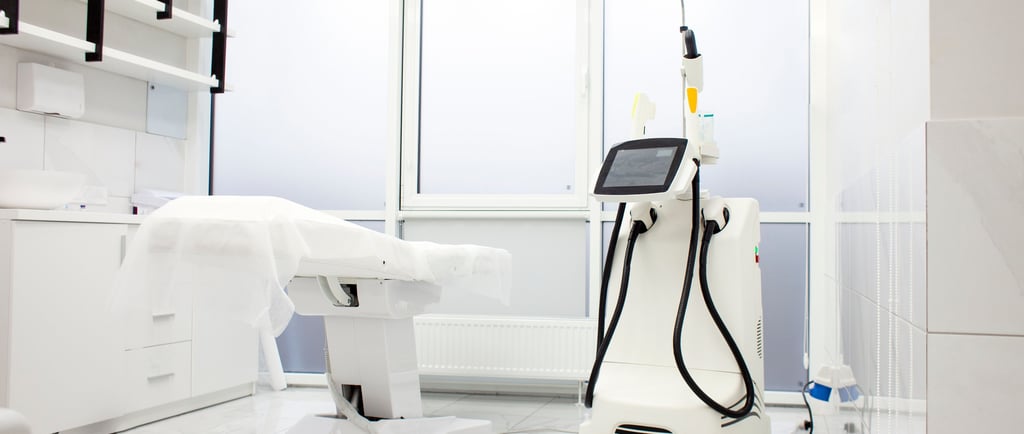
Dermatology practices often rely on specialized equipment, including lasers, light therapy systems, exam chairs, imaging systems, sterilization equipment, and surgical tools. Buyers will want to know what equipment is included, whether it is owned or leased, and whether any major upgrades are needed.
Prepare a fixed asset list that includes:
Equipment description
Purchase date
Original cost
Current estimated value
Lease terms, if applicable
Maintenance agreements
Warranty information
Recent investments in equipment can support the value of your practice, but outdated or heavily leased equipment may affect negotiations.
Work With Your CPA and Broker Early
The best time to prepare financial records is before your practice is listed, not after a buyer requests them. Work with your CPA, bookkeeper, and business broker to identify gaps, clean up reports, and prepare a confidential financial package.
A qualified medical practice broker can help present the numbers in a way that buyers understand while protecting confidentiality. This includes preparing normalized financial summaries, identifying value drivers, and anticipating questions that may arise during due diligence.
MedPro Business Advisors at Boss Group International
Specializing in the sale of medical and healthcare related businesses
© 2025. All rights reserved.