
Specializing in the Sale of Medical & Healthcare Related Businesses
Avoiding "Down from the Ledge" talks
How clear expectations, honest preparation, and steady communication keep sellers calm and deals moving forward.
4 min read

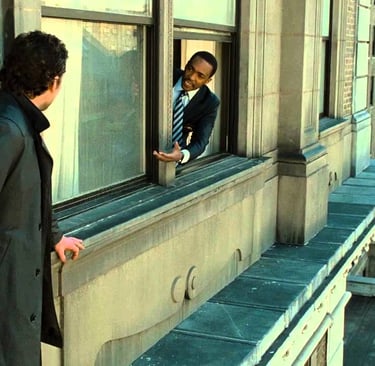
Avoiding “Down from the Ledge” Talks with a Seller
In business brokerage, few moments are more delicate than the call from a seller who is angry, anxious, disappointed, or ready to walk away from a deal entirely. These are the “down from the ledge” conversations. They usually happen after a difficult buyer question, a disappointing offer, a due diligence concern, a lender delay, or a moment when the seller suddenly realizes that selling a business is more emotional than expected.
A skilled business broker knows these talks are sometimes unavoidable. But the best brokers do not rely on crisis management as their main strategy. They work to prevent unnecessary panic before it starts. That begins with setting expectations, preparing the seller for the process, and keeping the deal grounded in facts instead of emotion.
Start With the Truth Early
Many difficult seller conversations happen because the seller was allowed to believe something that was never realistic. Maybe they expected a higher price. Maybe they thought the buyer would accept the business exactly as presented. Maybe they assumed due diligence would be quick and painless.
My job is not to tell sellers only what they want to hear. My job is to help them make informed decisions. That means having honest conversations from the beginning about value, market conditions, buyer expectations, financing, deal structure, confidentiality, and timing. This is not always easy.
A seller may not love hearing that the market will not support their desired price. But it is far better to address that early than to face a crisis after three buyers pass on the opportunity or after the only serious offer comes in below expectations.
Prepare the Seller for Buyer Behavior
Sellers often take buyer questions personally. A buyer asks about declining margins, customer concentration, old equipment, staff turnover, or add-backs, and the seller hears criticism. In reality, most buyers are simply trying to understand risk.
Before the business goes to market, the seller should understand that serious buyers will ask hard questions. They will test the numbers. They will look for weaknesses. They will compare the business to other opportunities. That does not mean the buyer is hostile or unserious. It means the buyer is doing what a prudent buyer should do. When sellers are prepared for scrutiny, they are less likely to react defensively. They can see buyer questions as part of the process rather than as an attack on years of hard work.
Control the Information Flow
Uncertainty creates anxiety. Anxiety creates emotional reactions. One of the best ways to avoid “down from the ledge” talks is by keeping the seller informed without overwhelming them. Establishing a communication rhythm early is imperative. Sellers should know when they will receive updates, what kind of feedback matters, and what kind of buyer activity is normal. Silence can be dangerous. When a seller hears nothing, they often assume the worst.
At the same time, not every casual inquiry or weak buyer comment needs to be passed along in real time. The key is to filter noise while sharing meaningful information. The goal is to keep the seller informed, not emotionally tossed around by every small development.
Explain the Difference Between Price and Deal Terms
Sellers often focus heavily on the headline price. That is understandable, but it can lead to frustration when offers include seller financing, earnouts, working capital adjustments, transition periods, or contingencies.
By explaining how deal terms affect value and risk before offers arrive helps to mitigate potential problems. A full-price offer with weak financing may be less attractive than a slightly lower offer with strong buyer qualifications and cleaner terms. A seller note may not be ideal, but it may also be the difference between getting a deal done and having no deal at all.
When sellers understand deal structure in advance, they are less likely to react emotionally when an offer is not all cash at closing.
Address Weaknesses Before the Buyer Finds Them
Every business has flaws. The question is whether the broker and seller address them proactively or wait for the buyer to discover them.
If revenue has declined, I need to know why. If owner add-backs are aggressive, we need to document them. If one customer represents a large share of sales, we need to prepare the explanation. If key employees are not under agreement, we need to discuss the risk. If financials are messy, we need to clean them up before going to market whenever possible.
Surprises damage trust. They also create panic. A seller who is blindsided by an issue during due diligence may feel embarrassed or attacked. A seller who has already discussed the issue with the broker is more likely to stay calm and respond professionally.
Keep the Seller Focused on the End Goal
Selling a business can feel personal because it is personal. For many owners, the business represents years of risk, sacrifice, identity, and pride. A buyer’s negotiation position can feel like a judgment of the seller’s life’s work.
One important element of my job is to help the seller separate emotion from outcome. The goal is not to win every point. The goal is to reach a closing that meets the seller’s most important objectives. That may mean protecting confidentiality, maximizing cash at close, reducing post-sale obligations, finding the right successor, or completing the sale within a certain timeline.
When emotions rise, I bring the conversation back to priorities. What matters most? What is negotiable? What is the cost of walking away? What is the likely alternative if this buyer leaves?
Build Trust Before the Crisis
A seller is much more likely to listen during a difficult moment if trust has already been established. That trust is built through honesty, preparation, responsiveness, and consistency.
Avoiding “down from the ledge” talks does not mean avoiding hard conversations. It means having the right conversations early enough that they do not become emergencies later.
The best brokers act as advisors, not cheerleaders. They prepare sellers for reality, protect the process, and keep emotions from driving decisions. When sellers know what to expect, understand the market, and trust their broker’s guidance, they are far less likely to panic when challenges arise.
In the end, successful deals are not built on perfect circumstances. They are built on preparation, communication, and steady judgment. That is what keeps sellers off the ledge and keeps transactions moving toward the closing table.
MedPro Business Advisors at Boss Group International
Specializing in the sale of medical and healthcare related businesses
© 2025. All rights reserved.